
Exercise After Shoulder Surgery: My No-Arm Workout Plan
After my shoulder surgery, I was antsy to get moving again. It had been so long since I felt like I had a good workout that I couldn’t wait to get back into a routine! Unfortunately, I couldn’t find any great workout recommendations online.
I searched for exercises after shoulder surgery, exercises without using arms, shoulder surgery exercises – with no luck. Everything was either for physical therapy exercises or for body builders who were exercising through the pain.
So I decided to take my own knowledge and write a weekly workout plan for myself! I’m sure someone else out there is itching to do exercises after shoulder surgery, so hopefully this helps!
Disclaimer: I am not a doctor. I am not giving medical advice. My doctor cleared me at 10 days to engage in light, no-impact exercise that did not use my injured arm. Do not use this information here in place of surgery or physical therapy. I am only using my knowledge as a personal trainer to provide a sample workout plan that does not involve an injured shoulder/bicep.
Can You Exercise After Shoulder Surgery?
The answer depends on your specific surgery, your recovery timeline, and most importantly, what your surgeon recommends.
While some shoulder surgeries require weeks of limited movement, many people can still stay active during recovery by focusing on exercises that don’t involve the injured shoulder. Before starting any workout routine after surgery, be sure to get clearance from your doctor or physical therapist.
In my case, staying active was important for both my physical and mental health. I wasn’t able to do my normal strength training workouts, and wearing a sling made even simple daily tasks more challenging than expected. But once I had approval from my surgeon, I found that there were still plenty of ways to move my body without putting stress on my recovering shoulder.
The key was choosing exercises that kept my shoulder protected while allowing me to maintain some level of fitness. Walking, lower body exercises, and carefully selected core workouts became my go-to options during recovery.
Something cool that I learned through all of this — there have been studies that show exercising one arm or leg while waiting for the injured side to heal can actually prevent atrophy!
It’s like the injured arm has FOMO.
And if you’re worried about having one Popeye-sized arm and one Spongebob arm, don’t. In the time it takes to recover from surgery, you will likely not have such huge gains on one side.
You may notice that it takes a while for the injured arm to catch up though, once you’re cleared for exercise.
Every recovery is different, so what worked for me may not be appropriate for everyone. This workout plan is simply a look at the exercises I personally used while recovering from shoulder surgery. Always follow the guidance of your medical team and stop any exercise that causes pain or discomfort.
If you’re feeling frustrated by the limitations of recovery, hang in there. Shoulder surgery recovery can feel slow, but finding safe ways to stay active helped me feel stronger, more energized, and a little more like myself during the healing process.
How I Stayed in Shape During Shoulder Surgery Recovery
I’ll be honest, one of my biggest concerns before surgery wasn’t just the surgery itself. It was how I was going to stay active afterward.
Exercise has always been an important part of my routine, and the thought of spending weeks sitting on the couch didn’t sound appealing. Not like my kids were going to allow that anyway!
Once I got home from surgery and settled into life with a sling, I realized that many of my normal workouts were completely off the table. Even exercises that didn’t seem shoulder-related often required more upper body involvement than I expected.
I may have cried once or twice. And then… Instead of focusing on what I couldn’t do, I started looking for what I could do.
My goal wasn’t to build muscle or set personal records during recovery. I simply wanted to maintain my fitness level, keep my energy up, and avoid feeling sorry for myself while my shoulder healed.
For me, that meant focusing on three things:
- Walking and other shoulder-friendly cardio exercises
- Lower body workouts that didn’t require support from my arms
- Core exercises that could be performed safely without stressing my shoulder
Some days were better than others. There were days when a short walk felt like a major accomplishment, and there were days when I had enough energy to complete a full workout. Recovery isn’t always a straight line, and I learned to listen to my body rather than force a schedule.
The weekly workout plan below is the routine I created to help me stay active during recovery. It required very little equipment, could be done at home, and allowed me to continue exercising without using my injured arm.
If you’re recovering from shoulder surgery and wondering how to stay in shape, I hope these ideas give you a few practical options to help you keep moving while your body heals!
Beginning Exercise After Shoulder Surgery – My Doctor’s Guidelines
At this point, I am not supposed to be using any sort of resistance training with my left arm. My orthopedist told me to not hold anything heavier than 1-2 pounds (we’ll pretend I haven’t been lifting my kids a little).
With the exception of “life” activities like putting away dishes and changing diapers, I limit the use of my left arm as much as possible.
With exercise, I absolutely do not recommend using your affected arm. The exact words from my physical therapist were, “When people start feeling better, we see injury because they do something stupid.” So let’s not do anything stupid, ok?

In yesterday’s PT session, I was cleared to do slow, simple, unweighted arm movements. Front arm raise and bicep curl motions.
However, I was also told that these were not exercises I should continue at home daily. So to be extra cautious, I will not be exercising my left arm at this time, even with unweighted movement.
I would much rather wait and let my body finish healing than start exercising too soon and do additional damage.
I would also caution against any running or movements that involve impact to the arm (jumping/plyo, vigorous cardio, etc). The shoulder may still be unstable and impact could damage the labrum or the biceps.
Cardio Exercises After Shoulder Surgery
One of the biggest surprises during my recovery was realizing that cardio wasn’t completely off limits. While I couldn’t do many of the workouts I was used to, I found several ways to get my heart rate up without putting stress on my healing shoulder.
As always, check with your surgeon or physical therapist before starting any exercise after shoulder surgery. Recovery restrictions vary depending on the procedure and your stage of healing.
Walking
Walking became my favorite form of cardio after shoulder surgery. It required no special equipment, could be adjusted to match my energy level, and helped me feel like I was getting back to normal.
Some days I only walked around the neighborhood for 15 or 20 minutes. Other days I was able to increase my pace and duration. The best part was that I could easily modify the intensity depending on how I was feeling.
Incline Treadmill Walking
Once I felt comfortable, I started incorporating incline walking on the treadmill. Increasing the incline allowed me to raise my heart rate without needing to run or perform higher-impact exercises.
This was one of the easiest ways for me to make a workout feel more challenging while still protecting my shoulder.
Stationary Bike
Depending on your recovery restrictions, a stationary bike may be another option for cardio after shoulder surgery.
Cycling was really helpful because it allowed me to focus on lower-body endurance while avoiding upper-body involvement. If balance is a concern while wearing a sling, a recumbent bike may feel more comfortable than an upright bike. That worked best for me anyway.
Lower Body Cardio Circuits
As my recovery progressed, I also used lower-body exercises to create simple cardio circuits. Movements like bodyweight squats, step-ups, lunges, and calf raises helped elevate my heart rate while keeping the focus on my legs.
These circuits allowed me to get both strength training and cardio benefits in a single workout. You’ll see those in my “leg day” workouts below!
Core Exercises After Shoulder Surgery
One of my biggest concerns after shoulder surgery was finding ways to keep my core strong without putting pressure on my recovering shoulder.
Many traditional ab workouts rely on your arms for support, balance, or stability. Planks, push-ups, mountain climbers, and many gym-based core exercises were simply not options during my recovery. Thankfully, I discovered there were still plenty of effective core exercises I could perform while keeping my shoulder protected.
Before trying any core exercises after shoulder surgery, make sure you have approval from your surgeon or physical therapist. Every recovery is different, and certain movements may not be appropriate depending on your procedure and stage of healing.
These are some of the core exercises that worked well for me during recovery.
Lying Leg Raises
Leg raises became one of my favorite exercises because they effectively targeted my lower abs without requiring any upper-body involvement.
Lying flat on my back, I slowly lifted both legs off the floor and lowered them with control. The slower I moved, the more challenging the exercise became.
Leg Scissors
Leg scissors provided an excellent core workout while keeping my shoulder completely out of the movement.
I performed two variations:
- Up-and-down scissor kicks
- Side-to-side scissor kicks
Both versions challenged my lower abdominal muscles while also engaging my hip flexors and improving core endurance.
Russian Twists (Without Weight)
Traditional Russian twists are often performed with a medicine ball or dumbbell, but I found that bodyweight Russian twists still provided a great workout.
By slowly rotating from side to side without adding resistance, I could engage my obliques while avoiding unnecessary strain during recovery.
Hollow Hold
The hollow hold quickly reminded me that you don’t need fancy equipment for an effective ab workout.
Holding a hollow body position required constant tension through my entire core. Even short intervals made my abdominal muscles work hard.
Modified Superman
Once I was able to get onto my stomach comfortably without using my injured arm, I added in a modified superman exercise to strengthen my posterior chain and improve core stability.
Instead of extending both arms and legs, I focused on lifting my legs while keeping my recovering arm protected and out of the movement. This allowed me to engage my lower back, glutes, and core without aggravating my shoulder.
Grasshopper Kicks
Grasshopper kicks added variety to my workouts and challenged both my core and lower body.
The controlled kicking motion kept my abdominal muscles engaged throughout the exercise and helped break up the monotony of traditional ab exercises.
Heel Taps
Heel taps became a simple but effective way to target my obliques.
Lying on my back with my knees bent, I reached side to side toward my heels – only extending my good hand toward one heel and just moving my upper body without reaching on my bad side – while keeping my movements slow and controlled. This exercise was easy to modify and still get the benefits.
Crunches
Basic crunches were one of the few traditional ab exercises I could comfortably perform during recovery.
I focused on quality rather than quantity, using slow and controlled repetitions to engage my abdominal muscles without relying on momentum.
Modified Dead Bug
The dead bug is one of my favorite core exercises because it emphasizes stability and control. It’s also a physical therapist’s favorite exercise, as I’ve learned from various times in and out of PT lol.
I modified the movement by using my legs and only my non-injured arm. I was still able to challenge my core while keeping my healing shoulder protected.
Why Core Training Helped During Recovery
Even though I wasn’t able to train the way I normally would, keeping my core active helped me feel stronger and more capable throughout the recovery process.
A strong core supports balance, posture, and everyday movement, all of which became even more important while navigating life with a sling. Seriously, you don’t realize how important core strength and balance is until your body stops working the way it used to!
The few exercises became the foundation of my ab workouts after shoulder surgery and helped me stay active while giving my shoulder the time it needed to heal. And if you aren’t sure what some of them look like, check out my videos of the exercises below!
Weekly Workout Plan After Shoulder Surgery
Ok so here it is! My weekly workout plan so I can keep up with my fitness while I wait for my left shoulder to heal from a labrum repair and biceps tenodesis. Try saying that three times fast.
This weekly workout plan rotates leg exercises, core exercises, cardio, and one-arm workouts. So I guess technically these exercises don’t use “arms” in the plural sense, but there are exercises included to workout just one arm! If for some reason you are unable to do those, just omit them.
Want a print-friendly version of this workout plan?
Click HERE.
Depending on your level of fitness when you begin, you may want to do just one set of each exercise. My goal was to complete 3 sets of each. For the leg and arm exercises, you have the option to do 3 sets of one exercise before moving on to the next, OR you can complete all of the exercises 3 times like a circuit. Make it work for you!
And guess what – this plan is even great for someone who has two perfectly good arms! Just use both arms to do the exercises on Wednesday and Saturday.
Scroll down to see videos and explanations of the exercises.

Monday
Starting off the week with LEG DAY! My favorite! For these exercises, I will not be using additional weight. Bodyweight is enough for me, especially since it will be like starting all over again. Hello DOMS, didn’t miss you at all.
Tuesday
I currently have physical therapy twice per week (Tuesdays and Thursdays) so I chose to keep these days light on the exercise. I do like to get in my steps each day so I can close all three rings on my Apple watch, and it doesn’t take long to fit in a quick one mile walk through my neighborhood. While walking, I am conscious to not swing my left arm too much.
After PT, I choose a few CORE exercises to finish off my day.
There are 10 core exercises at the bottom of the chart. I choose 3-5 exercises and do 30-60 seconds of each exercise, twice. The total time on this is 5-10 minutes, which is plenty!
Wednesday
I wanted to have one day where I have a longer, slow cardio session, and my neighborhood has a 2 mile loop that is nice to walk in the mornings. When the weather gets too cold, I’ll stay inside and use a stationary bike.
Because this takes a little longer, I may not always include a full arm workout on Wednesdays. I may just do one set of every exercise, or I may do a couple of sets and just pick a few.
I use 3, 5, and 8 pound dumbbells for these exercises. The good news is when you’re only exercising one arm with lighter weights, it goes a little faster!
Thursday
This is basically a repeat of Tuesday. I make sure to choose different core exercises today.
After your shoulder heals, try these 27 Plank Variations to really challenge your core!
Friday
Another leg day! This one has movements that can really challenge your balance, so take it slow and focus! You’ll feel all kinds of stabilizing muscles tomorrow and Sunday that you didn’t know you had.
Saturday
Same arm exercises as Wednesday, but I try to make sure I go through each exercise at least twice — three times if our day isn’t busy. Saturday is a good day to push the kids in the stroller for a mile.
Sometimes I like to just walk up and down the stairs at home, so that’s an option too.
Sunday
Rest. Always have at least one day of rest. Stretch gently to relieve sore muscles, and let your body heal.
Check out my other fitness tips and home workouts!
Recommended Fitness Equipment for Workouts After Shoulder Surgery
There are a few pieces of home workout equipment that I used to exercise after my shoulder surgery. You don’t have to have these, but they are a few things that I have and like to use:
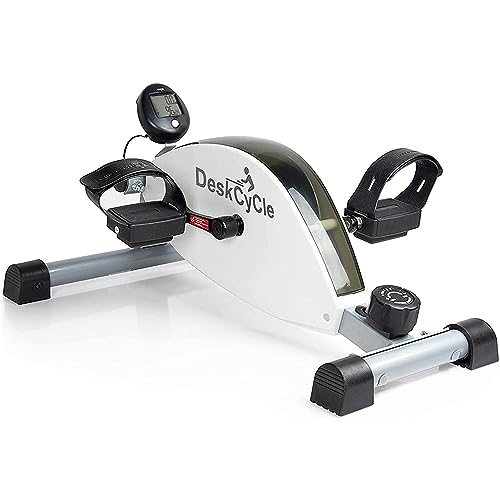

This compact DeskCycle is easy to store under your desk or out of the way for a quick bike workout while you sit. I used it during my recovery and then passed it on to my mother-in-law so she can exercise in the comfort of her home.

I also have this compact elliptical for an easy seated workout too. Just put it anywhere in your house that you want to exercise (maybe while watching TV) and move your legs!

A wood plyo box like this has different heights depending on how you turn it. Great for step ups, split squats, or even box squats to help you improve form.
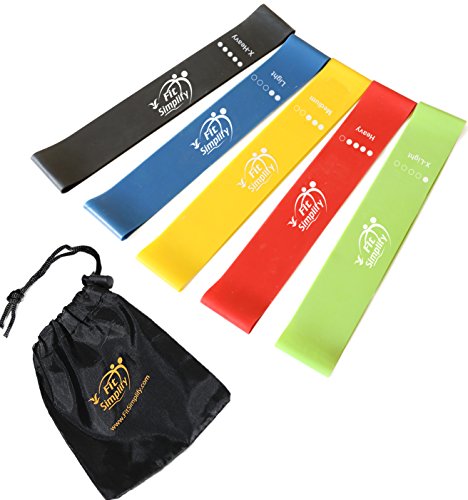

These resistance loops are great for increasing strength with clamshells. Your PT may also use them for shoulder rehab when you’re ready.
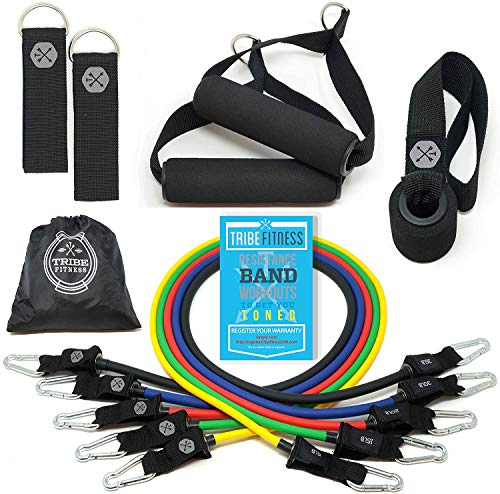

Resistance bands can be used for therapy and recovery, but can also be used to add resistance to lower body exercises as well.
Listen to Your Body
One lesson I learned quickly was that recovery is not a competition. Some days I felt strong and energetic, while other days my body clearly needed more rest.
During shoulder surgery recovery, consistency matters more than intensity. Even short walks and light workouts helped me maintain my fitness and improve my mood while I healed. Good luck and stay healthy!
Questions about any of these? Leave a comment or send me a message!

MEET AMANDA
Amanda is a mom of 4 living a mostly crunchy lifestyle outside of Atlanta, GA with her husband, 2 dogs, and a cat. As a former special education teacher who also has her personal training certification — Amanda really enjoys teaching others how to do things!
When she’s not working, Amanda enjoys DIY projects, exercising, photography, hiking, and long walks through Target.




Thanks for taking the time to make each video in this post surgery series. I’m actually using PRE-surgery. It’s going to be a few weeks before my rotator cuff surgery will happen so it feels great to keep working out while I’m waiting. It will be easy to pick right back up after surgery when I am allowed to. Great videos !! And thanks again!!
Hi! I am looking at having shoulder surgery in three weeks, arthroscopically.
How soon after your surgery did you resume cardio and lower body work outs? And hiking? Like you, I’m fairly active, and will be eager to get back out there!
I waited maybe a month before I started getting active again. I believe I asked my doctor at my 4 week appointment if it would be ok and he said yes – as long as it was zero- to low-impact and didn’t hurt my shoulder with the movements. I would just make sure any hiking trails you do are safe/stable without much risk of falling. You don’t want to slip and accidentally reach out to catch yourself with your injured arm. Good luck!
Thank you for this information! I have surgery in two weeks and will definitely use this post op!
Hi Amanda! I found this after googling core exercises that I can do after shoulder surgery! I am only three weeks out, so of course will be waiting until I lose the sling, but this is a great comeback workout! Thank you so much, as I had the same surgery as you and I am a super active person. I’m already missing my workouts!